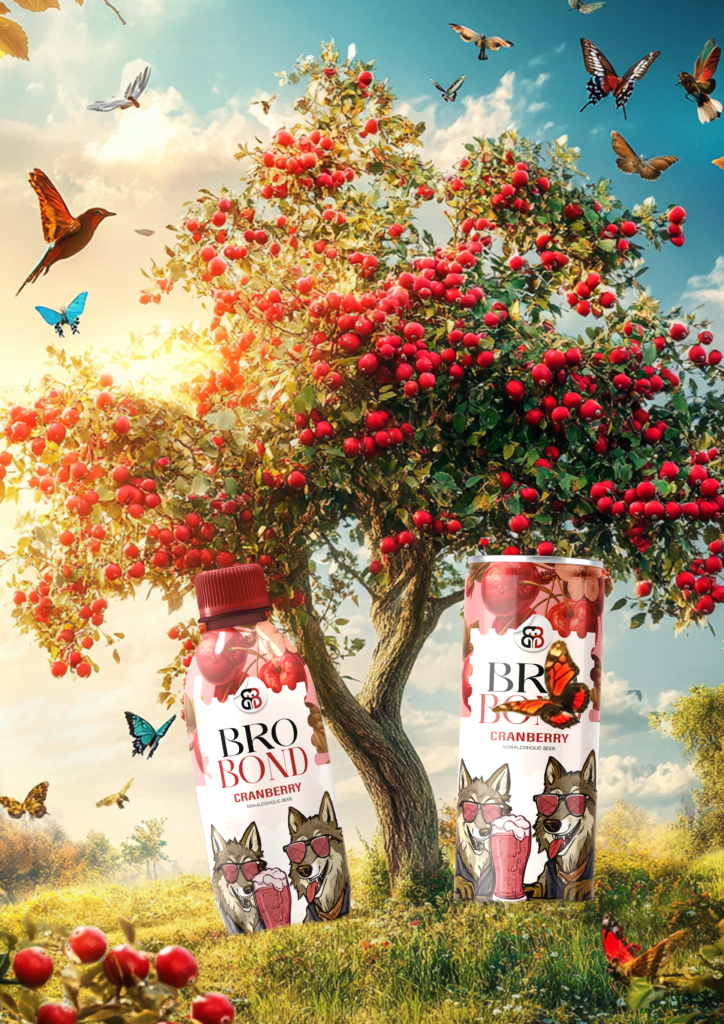
Packaging is an influential factor in the marketing, distribution, and consumption of soft drinks, particularly in a multicultural and developing market such as India. Although brand and taste are important elements, packaging is a strong choice factor for customers. Two leading forms predominate today: 250ml can-based drinks and soft drinks in PET bottles.
Every packaging option has unique strengths based on the market, application, and target audience. With drinking among consumers increasing day by day, particularly in the urban and semi-urban classes, brands need to weigh the advantages and disadvantages of these options very precisely. So, which is optimum for cold beverage packaging in India? Let us dissect.
Cans: Compact, Trendy, and Premium
The 250ml can drink packaging has received tremendous popularity in recent years, especially in city metros and among the youth. Its slim profile and compact size make it handy, trendy, and easy to carry.
Cans are usually produced with aluminum, which is a highly recyclable, light, and cost-effective material to cool. All of these attributes make cans ideal for portable consumption. Whether it is energy drinks and flavored soft drinks or sparkling water and mixers, the 250ml can has emerged as the most popular packaging for most newer-generation beverage companies looking to create a premium or health-oriented brand image.
Consumers link cans to modernity and convenience. They’re handy to carry around, easy to chill quickly, and provide portion control, an emerging trend among health-conscious consumers who want a chilled drink without excess consumption. This is particularly significant in urban India, where single-serve packaging is in high demand.
PET Bottles: Flexible, Inexpensive, and Mass-Friendly
Conversely, the PET-bottled soft drink is still the most popular package in India’s beverage market. PET (polyethylene terephthalate) bottles are robust, affordable, and come in a variety of package sizes ranging from 200ml personal bottles to 2-liter family packs. Their low cost and versatility make them suitable for both retail outlets and bulk distribution channels.
PET bottles are the leaders in rural and semi-urban markets, where price sensitivity is an important consideration in buying. PET bottles are ideal to share among family members while eating or at celebratory events, and can be resealed like something cans cannot.
Their clear structure also allows customers to visually inspect the contents inside, which is a trust-building factor, particularly for brighter carbonated beverages. And their transport impact resistance makes them a popular packaging format for manufacturers shipping over India’s diverse geography and weather.
Cold Drink Packaging in India: Challenges and Considerations
When packaging cold beverages in India, specific issues like cold temperatures, transport challenges, and consumer habits need to be addressed.
During the hot summer season, product freshness and carbonation are of utmost importance. Cans stand out in this regard, aluminum is a superior barrier against heat and UV rays. It allows the drink to hold its fizz and taste longer, which is paramount for carbonated soft drinks.
PET bottles, although tough, are more prone to heat damage and lose carbonation if not handled and stored well. Their handling in light can also degrade the drink’s quality in the long run, particularly in small retail outlets where there is no refrigeration.
Additionally, most retailers in India continue to store drinks outside or in non-air-conditioned rooms. In these situations, cans might help sustain the product’s integrity better, particularly for premium or sensitive products.
Sustainability: An Emerging Issue
Another major driver of packaging decisions is environmental impact. Internationally, aluminum cans are known for having a high level of recyclability. They can be recycled over and over again with no loss of quality, and recycling them uses significantly less energy than creating new cans from raw materials.
By contrast, although soft drinks in PET containers are recyclable, the plastic waste management infrastructure in India is yet in its formative years. Most of the PET bottles find their way into landfills, rivers, or oceans and become sources of pollution and long-term environmental degradation.
This increased environmental consciousness among urban consumers has prompted many of the beverage brands to seek out sustainable packaging alternatives. The 250ml can beverage is becoming a trend-setting solution for brands seeking to minimize their carbon footprint and connect with the environmentally friendly market.
Branding and Shelf Appeal
Packaging is an essential visual marketing tool. Cans provide a contemporary, unbroken surface that’s perfect for bold, bright graphics. Matte, metallic, or color-blocked cans provide a high-end and appealing look that pops on store shelves or in vending machines.
PET containers, though useful, tend to depend on printed labels for brand labels that can fade, peel, or smudge, particularly in tropical or humid climates. Visual appearance can tip a sale or a loss in a competitive retail setting.
The cold beverage packaging market in India is becoming design-conscious, and cans are being considered more of a trendier alternative.
Affordability and Reach 
Even with their benefits, cans are still more costly to make and ship. They need to be filled using specialized filling lines and seaming equipment, so they are a bigger initial investment for manufacturers, particularly smaller or local ones.
PET bottles, on the other hand, are inexpensive to make, easier to scale up, and easier to fit into existing manufacturing lines. This makes them perfect for the large-volume, low-margin portion of the market.
Affordability is greater than design or sustainability in rural India. The fact that PET bottles are resealable and multi-serve makes them the natural choice for groups and families.
Consumer Trends: A Changing Landscape
The Indian consumer market is not homogeneous. Urban millennials will opt for the trendy, sleek 250ml can drink, whereas big families in Tier 2 or 3 cities continue to grab the 1-liter soft drink in PET packaging.
But trends are changing. With increasing disposable incomes and consumer awareness of health and the environment, consumers are increasingly receptive to other formats. This allows room for both types of packaging to complement cans among premium, health-conscious, or on-the-go consumers, and PET bottles to continue addressing the mass market.
Final Thoughts
It’s not a question of which is better objectively; it’s a question of which packaging best fits your brand’s objectives, target market, and distribution strategy.
For instance, a cool and trendy refreshment, the 250ml can is unmatched. It is perfect for big city markets, premium positioning, and environmentally aware consumers.
For value, scalability, and adaptability, the soft drink in PET bottles remains the pillar of beverage distribution in India.
As the environment for cold drink packaging continues to change in India, successful brands will be those that know their consumers and provide the proper packaging at the right time.